“aren’t making a profit” gets into the mess that is book keeping and is a giant rabbit hole people actively avoid because it is just easier to get angry at stupidity rather than complex malfeasance.
But what makes something an “AI data center” outside of the branding?
The reality is that it is a shit ton of computers connected to a really fast internet connection. Preferably through a properly managed set of switches but you do you. And the reason that we still mostly use GPUs for “AI” rather than highly specialized hardware (although, nvidia DID just buy groq a few months back…) is for that reason. They might do linear algebra of quarter precision floats REALLY well but they also do linear algebra of single and double precision floats pretty well too. And the CPUs and mobos (that are mostly optimized for data movement to offload to said GPUs) are no slouches either.
Which is what most of these companies are planning for. openai is, arguably, really fucking stupid. Whereas anthropic have shown decent signs of “diversifying” as it were. And nvidia… if we lived in a world where they could get enough RAM I think they would be fine. As it stands… Jensen (and a LOT of people) are kinda fucked and I expect to see a hard pivot over the next 12 months.
Because if we banned ALL generative AI tomorrow? The people who think you can’t use a computer without installing litellm first are gonna be fucked. But everyone else will just put other workloads on there and be… “fine” is a strong word but they won’t go bankrupt. And the data centers themselves will still be incredibly valuable.
I wish GPUs in AI data centers (or worse, the ones purchased and not installed yet) were more general-purpose than they appear to be. That’s the part that makes them AI data centers: the optimized hardware.
I do agree things are complex. And I like reading about the intricacies of that complexity. The overall picture is still a pretty bad one, though.
Yes, there are some fairly revolutionary(-ish) chips. Those are few and far between because they tend to be hyper specialized. Inference but not training or only optimized for a very small input matrix (common for edge computing like cameras).
By and large? They really ARE “traditional” GPGPUs that are optimized to hell and back for vector operations and linear algebra. And a lot of the gains there come from multiplying their floating point performance by 2-4 (depending on if half or quarter precision). They aren’t as good for double precision as something optimized for it but basically only a very small subset of users need that. There will be no issues repurposing the hardware in these data centers.
And the rest is data movement which has always been the real problem.
I don’t think most companies will find much value in that though. I know that none of the infrastructure I work with uses heavy calculations, and if we tried to jam it in, we’d be making solutions looking for problems.
An email server doesn’t need a GPU, neither does a file server, or a website, or an e-commerce platform.
Suppose they could rent it out as supercomputers but I don’t think the return on cost is going to be that good.


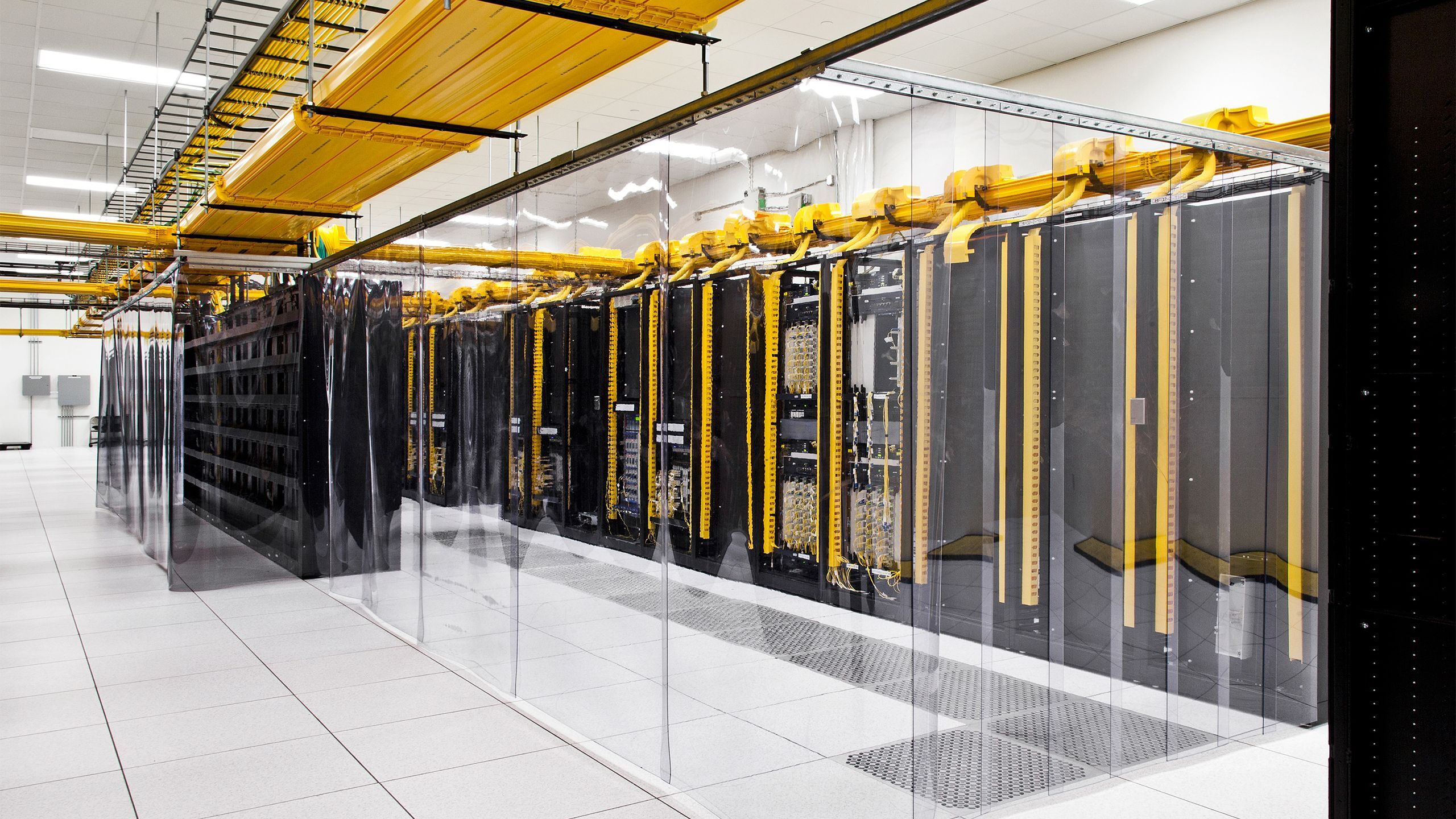
“aren’t making a profit” gets into the mess that is book keeping and is a giant rabbit hole people actively avoid because it is just easier to get angry at stupidity rather than complex malfeasance.
But what makes something an “AI data center” outside of the branding?
The reality is that it is a shit ton of computers connected to a really fast internet connection. Preferably through a properly managed set of switches but you do you. And the reason that we still mostly use GPUs for “AI” rather than highly specialized hardware (although, nvidia DID just buy groq a few months back…) is for that reason. They might do linear algebra of quarter precision floats REALLY well but they also do linear algebra of single and double precision floats pretty well too. And the CPUs and mobos (that are mostly optimized for data movement to offload to said GPUs) are no slouches either.
Which is what most of these companies are planning for. openai is, arguably, really fucking stupid. Whereas anthropic have shown decent signs of “diversifying” as it were. And nvidia… if we lived in a world where they could get enough RAM I think they would be fine. As it stands… Jensen (and a LOT of people) are kinda fucked and I expect to see a hard pivot over the next 12 months.
Because if we banned ALL generative AI tomorrow? The people who think you can’t use a computer without installing litellm first are gonna be fucked. But everyone else will just put other workloads on there and be… “fine” is a strong word but they won’t go bankrupt. And the data centers themselves will still be incredibly valuable.
I wish GPUs in AI data centers (or worse, the ones purchased and not installed yet) were more general-purpose than they appear to be. That’s the part that makes them AI data centers: the optimized hardware.
I do agree things are complex. And I like reading about the intricacies of that complexity. The overall picture is still a pretty bad one, though.
Ehhhh.
Yes, there are some fairly revolutionary(-ish) chips. Those are few and far between because they tend to be hyper specialized. Inference but not training or only optimized for a very small input matrix (common for edge computing like cameras).
By and large? They really ARE “traditional” GPGPUs that are optimized to hell and back for vector operations and linear algebra. And a lot of the gains there come from multiplying their floating point performance by 2-4 (depending on if half or quarter precision). They aren’t as good for double precision as something optimized for it but basically only a very small subset of users need that. There will be no issues repurposing the hardware in these data centers.
And the rest is data movement which has always been the real problem.
I don’t think most companies will find much value in that though. I know that none of the infrastructure I work with uses heavy calculations, and if we tried to jam it in, we’d be making solutions looking for problems.
An email server doesn’t need a GPU, neither does a file server, or a website, or an e-commerce platform.
Suppose they could rent it out as supercomputers but I don’t think the return on cost is going to be that good.
How is Anthropic diversifying?