It’s clear that several people in charge of the youtube livestream have no idea about how to do that correctly. I think the difference is just effort. Viewership was tiny compared to Apollo 11, as was the hype leading up to it. It’s clear that NASA could provide a whole lot better footage if even some random youtuber (Everyday Astronaut) can beat them. So that aspect is, as you said, because as a society we don’t really care about the Artemis launch. SpaceX does put a fair amount of effort into their livestreams, and you can easily tell by watching them.
For the recorded footage, film often has a lot higher dynamic range than digital cameras and usually looks a whole lot better when recording a launch up close.
Far shots are limited by atmospheric distortion and physical limits from diffraction for a given aperture size. None of that can change.
IDK anything about the quality of the original live broadcast of Apollo 11, so i don’t have anything to compare in that regard


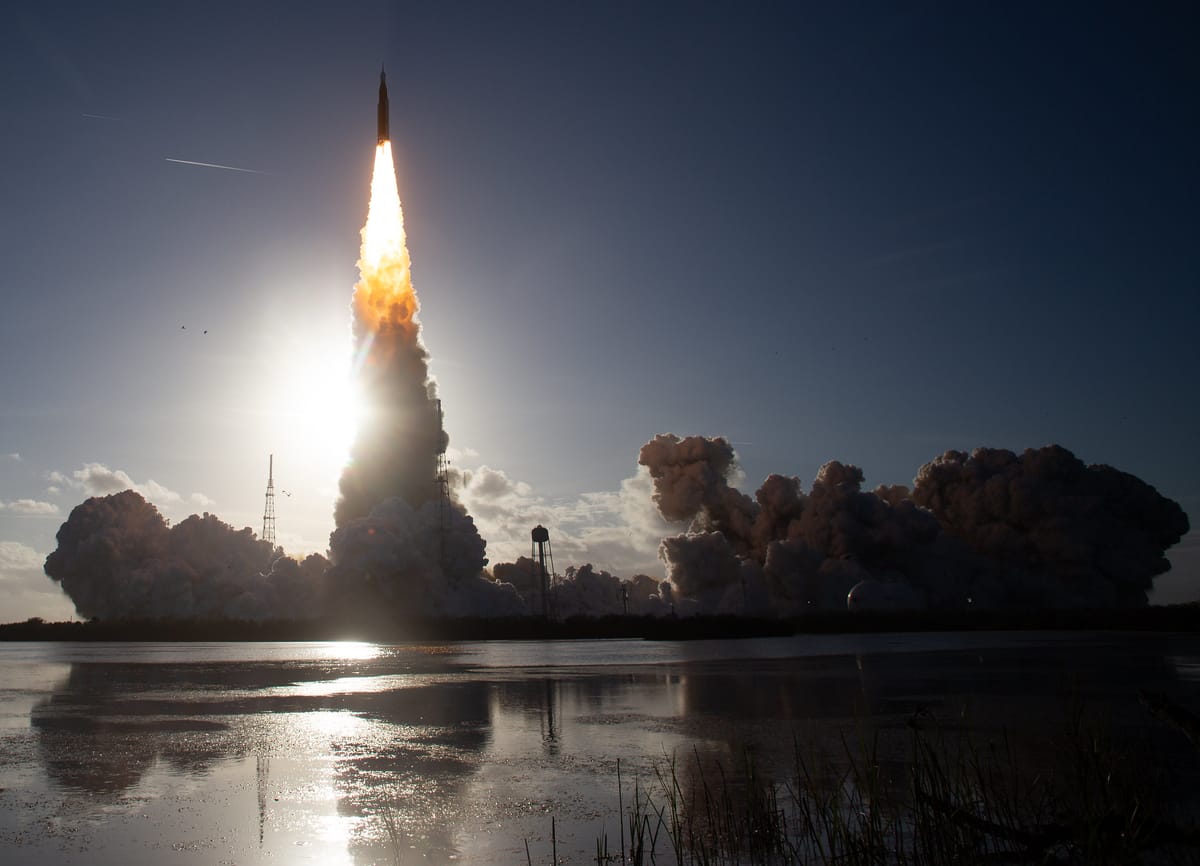
It’s clear that several people in charge of the youtube livestream have no idea about how to do that correctly. I think the difference is just effort. Viewership was tiny compared to Apollo 11, as was the hype leading up to it. It’s clear that NASA could provide a whole lot better footage if even some random youtuber (Everyday Astronaut) can beat them. So that aspect is, as you said, because as a society we don’t really care about the Artemis launch. SpaceX does put a fair amount of effort into their livestreams, and you can easily tell by watching them.
For the recorded footage, film often has a lot higher dynamic range than digital cameras and usually looks a whole lot better when recording a launch up close.
Far shots are limited by atmospheric distortion and physical limits from diffraction for a given aperture size. None of that can change.
IDK anything about the quality of the original live broadcast of Apollo 11, so i don’t have anything to compare in that regard