In practice that is zero - you are not allowed to take off unless you have enough fuel to fly for an hour after landing. flying is safe in large part because of hard learned rules like this.
I’ve never seen a rule requiring any specific fuel reserve except for when filing IFR where you need enough fuel to get to your destination, and alternate, and still have 45 minutes of fuel.
91.151 Fuel requirements for flight in VFR conditions.
(a) No person may begin a flight in an airplane under VFR conditions unless (considering wind and forecast weather conditions) there is enough fuel to fly to the first point of intended landing and, assuming normal cruising speed—
(1) During the day, to fly after that for at least 30 minutes; or
(2) At night, to fly after that for at least 45 minutes.
(b) No person may begin a flight in a rotorcraft under VFR conditions unless (considering wind and forecast weather conditions) there is enough fuel to fly to the first point of intended landing and, assuming normal cruising speed, to fly after that for at least 20 minutes.


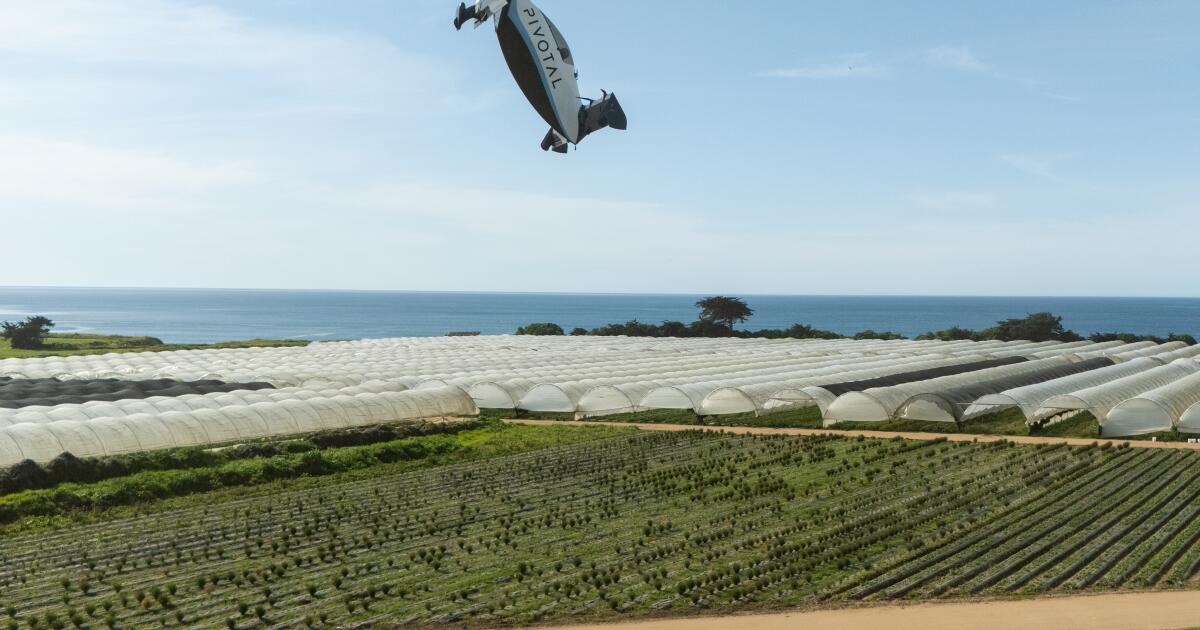
30 minutes range. Which, in practice, probably means ten.
In practice that is zero - you are not allowed to take off unless you have enough fuel to fly for an hour after landing. flying is safe in large part because of hard learned rules like this.
I’ve never seen a rule requiring any specific fuel reserve except for when filing IFR where you need enough fuel to get to your destination, and alternate, and still have 45 minutes of fuel.
https://www.ecfr.gov/current/title-14/chapter-I/subchapter-F/part-91/subpart-B/subject-group-ECFR4d5279ba676bedc/section-91.151
91.151 Fuel requirements for flight in VFR conditions.
(a) No person may begin a flight in an airplane under VFR conditions unless (considering wind and forecast weather conditions) there is enough fuel to fly to the first point of intended landing and, assuming normal cruising speed—
(1) During the day, to fly after that for at least 30 minutes; or
(2) At night, to fly after that for at least 45 minutes.
(b) No person may begin a flight in a rotorcraft under VFR conditions unless (considering wind and forecast weather conditions) there is enough fuel to fly to the first point of intended landing and, assuming normal cruising speed, to fly after that for at least 20 minutes.
I had not heard that, thank you for sharing. I just go by IFR standards or better for my personal limits, so this never came up.
I’m sure that doesn’t apply to ultralights.
that depends on the pilot. it doesn’t apply to bold pilots. There are bold pilots and old pilots - but no old and bold pilots.